
Innovation needs a way in. This is where it happens.
Five entry points. One system. Clear roles, clear decisions, real outcomes.

Innovation in yachting does not fail because of ideas.
It fails because it enters the system without structure, timing or alignment.
The Innovation Lanes fix exactly that.
They define where innovation enters, how it is evaluated and how it becomes part of a working system.
Why Innovation Lanes exist
Every role in yachting sees innovation differently.
Owners think in risk. Designers in intent. Shipyards in execution. Suppliers in products.
Without alignment, innovation creates friction.
The Lanes bring these perspectives together — without mixing them up.
Choose your entry point.
Not where you want to be — but where you actually operate.
Future Suppliers
Become a future supplier in the yacht indutry
You have innovation. But no clear path into the system.
In yachting, good ideas don’t fail because they are weak. They fail because they don’t find a way in.
As a future supplier, innovation is your starting point.
You bring new ideas. Technologies. Approaches.
But entering the system is hard. Access is limited. Feedback is fragmented.
And the path from concept to implementation is rarely clear.
The challenge is not your solution.
It’s finding a way in.
Where future suppliers usually stand
You operate outside established structures.
Often with strong prototypes. Convincing data. And traction elsewhere.
But in yachting, your solution is not evaluated only on its merits.
It is evaluated on perceived risk.
And without context, everything looks risky.

What makes innovation challenging for future suppliers
These are not market failures. They are structural barriers.
Future suppliers frequently encounter structural barriers:
They are not a lack of quality.
They are a lack of translation between innovation and system readiness.
What Innovation should not demand from you
Innovation should not require you to overpromise.
It should not force you to give up control of your core idea too early.
And it should not push you into pilots without learning value.
Your role is not to fit everywhere.
It is to find where you fit and grow from there.
Creating credible pathways into the ecosystem
The problem is not your innovation. It’s how it connects to real projects. We create structured pathways into the ecosystem.
This includes:
- Positioning your solution within real project contexts
- Clarifying maturity, assumptions and readiness honestly
- Identifying where validation is required — and where it isn’t
- Structuring engagement with owners, designers and shipyards
- Protecting IP while enabling meaningful collaboration
The goal is not fast exposure. It is credible progression.
Your Gateway to Collaboration
Access alone is not enough. Without context, it leads nowhere. We create a structured environment where expectations, roles and boundaries are clear. So your innovation can be evaluated for what it actually is.
Open Innovation, in this context, means:
It replaces random encounters with purposeful interaction.
From isolated innovation to system relevance
Many innovations succeed technically.
But fail to scale across projects.
We turn isolated success into system relevance — without losing what makes it unique.
Request an insider session

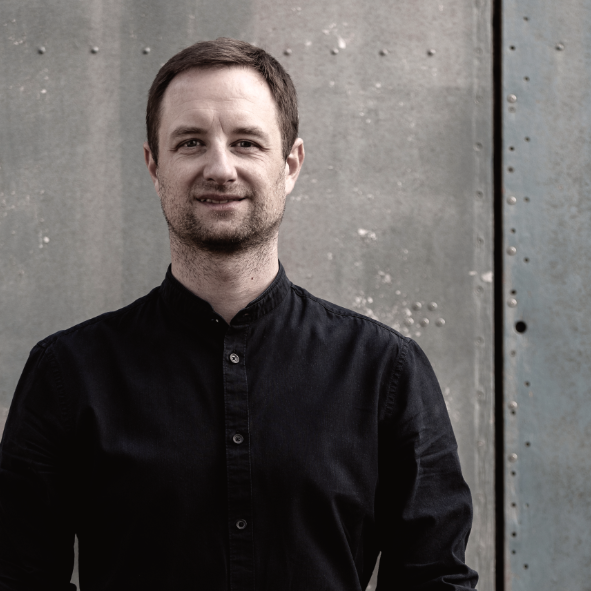
Jan - Strategist & Requirement Interpreter
Translates complexity into decisions.
Burkhard - System Architect & Integrator
Makes systems work under real conditions.
Mastery. Re-engineered.

Established Suppliers
Established Suppliers
Fosten your position in the yachting industry
Your products work. But the system around them is changing.
Innovation doesn’t replace what works. It changes how it fits.
As an established supplier, your strength is reliability.
Your products work.
They are proven. Certified. Trusted.
But the system around them is becoming more connected.
And suddenly, what worked before doesn’t automatically fit anymore.
Where established suppliers usually stand
You don’t enter projects as an idea.
You enter as a solution.
Well understood on a component level.
But increasingly questioned on a system level.
Integration becomes the challenge.
Not performance.

What makes innovation challenging for established suppliers
These tensions are not resistance. They come with responsibility.
Suppliers frequently face tensions that are structural, not strategic mistakes:
They are not strategic mistakes.
They are system effects.
What Innovation should not demand from you
Innovation should not require you to abandon proven products.
It should not push you into bespoke solutions without scale.
And it should not expose your IP without clear safeguards.
Your role is not to chase trends.
It is to evolve what works responsibly.
Connecting product strength with system relevance
The problem is not your product. It’s where and how it is used. We translate system-level change into product-relevant clarity.
This includes:
- Positioning products within broader system architectures
- Identifying where adaptation creates real value — and where it doesn’t
- Clarifying integration requirements early in the project lifecycle
- Aligning innovation efforts with certification and lifecycle realities
- Structuring collaboration with shipyards, designers and owners
The objective is not to accelerate change blindly. It is to make change predictable and worthwhile.
Your Gateway to Collaboration
Open does not mean exposed. It means structured participation. You contribute where it makes sense. With clear roles. Clear boundaries. And protected IP.
Open Innovation, in this context, means:
It allows suppliers to innovate with context — not in isolation.
From product excellence to system continuity
Your products already create value. The question is: Will they still fit tomorrow? We turn product excellence into system relevance — across projects and over time.
Request an insider session
Jan - Strategist & Requirement Interpreter
Translates complexity into decisions.
Burkhard - System Architect & Integrator
Makes systems work under real conditions.
Mastery. Re-engineered.

Designers
Designers
For visionary innovators in the yachting industry
You define the intent. But you don’t control what it becomes.
Innovation doesn’t fail in design. It fails when it meets reality.
As a designer, innovation is not an add-on.
It is part of how you think.
You shape form, experience and intent.
But what you define will later be tested under constraints you don’t fully control.
Where dsigners usually stand
You start at the beginning.
Where freedom is high.
And constraints are still abstract.
This is where innovation feels natural.
And where its long-term impact is hardest to judge.
What makes innovation challenging for designers
These tensions are rarely visible. But they shape what actually gets built.
They are not a lack of design capability.
They are a result of how the system works.
What Innovation should not demand from you
Innovation should not force you to defend ideas without evidence.
It should not reduce your role once complexity increases.
And it should not turn collaboration into late-stage compromise.
Your role is not to predict everything.
It is to define intent that survives reality.
Reducing friction before it reaches the build phase
The problem is not your design. It’s what happens to it later. We connect design intent with system reality — early.
This includes:
- Translating design concepts into system-relevant questions
- Making assumptions explicit before they harden into constraints
- Integrating regulatory and technical perspectives without killing creativity
- Structuring collaboration with shipyards and suppliers from the start
- Keeping designers involved where decisions affect core intent
The goal is not to limit design freedom. It is to protect it by grounding it.
Your Gateway to Collaboration
Design does not fail in isolation.
It fails in interaction.
We create a structured environment where design intent meets technical reality early.
Open Innovation, in this context, means:
It allows designers to work with reality, not against it.
From concept to continuity
Design decisions leave traces.
Most of them are lost.
We turn design into continuity — across projects and over time.
Request an insider session
Jan - Strategist & Requirement Interpreter
Translates complexity into decisions.
Burkhard - System Architect & Integrator
Makes systems work under real conditions.
Mastery. Re-engineered.

Shipyards
Shipyards
For innovative shipyards in the yachting industry
You have to make it work. Even when the system doesn’t.
Innovation doesn’t fail in the yard. It arrives there already broken.
As a shipyard, innovation is never theoretical.
It arrives as a requirement, a late change or an idea that sounded good earlier.
And it has to work.
Within schedules. Contracts. Physical constraints.
You are responsible for making it real. Even when it wasn’t ready.
Where shipyards usually stand
You sit in the middle of everything.
Designers, owners, suppliers, subcontractors.
All connected through you.
Innovation enters this system from many directions.
Often fragmented.
Sometimes contradictory.
From your perspective, it’s not about novelty.
It’s about making it work. Every time.
What makes innovation challenging for shipyards
These are not isolated issues. They happen in almost every build.
Shipyards frequently face structural tensions that are difficult to resolve internally:
They are not execution problems.
They are system problems.
What Innovation should not demand from you
Innovation should not turn your yard into a test environment.
It should not introduce avoidable risks late in the project.
And it should not leave you with responsibility but without decision authority.
Your role is not to absorb uncertainty.
It is to deliver working systems.
On time.
Reducing friction before it reaches the build phase
The problem is not what happens in the yard.
It’s what arrives there.
We address innovation challenges before they hit execution.
This includes:
- Structuring innovation topics early in refit or new build phases
- Clarifying system boundaries and interfaces
- Aligning stakeholders on readiness, responsibilities and decision criteria
- Integrating regulatory intelligence before physical integration
- Creating transparency around what is proven — and what is not
The objective is not to slow projects down. It is to prevent avoidable friction later.
Your Gateway to Collaboration
Shipyards don’t need more ideas.
They need better prepared ones.
We create a structured environment where innovation is filtered, aligned and ready for execution.
Open Innovation, in this context, means:
It reduces dependency on individual opinions and increases decision robustness.
From on-off decisions to system knowledge
Every build creates system knowledge.
Most of it stays in the project.
We turn execution into learning — across builds and over time.
This is not about standardisation at all costs. It is about informed repetition.
Request an insider session
Jan - Strategist & Requirement Interpreter
Translates complexity into decisions.
Burkhard - System Architect & Integrator
Makes systems work under real conditions.
Mastery. Re-engineered.

Owners
Owners
For visionary owners in the yachting industry
You carry the risk. But you don't see the full system.
Innovation doesn’t fail because of bad ideas. It fails because the system behind them is unclear.
As an owner, innovation is never abstract. It affects how your yacht is built, operated and experienced. And it defines long-term value. Every decision carries consequences. But most of them are not visible when you make them.
Where owners usually stand
Most owners don’t start with innovation. They start with a project. A refit. An upgrade. A new build. And innovation enters through others: designers, shipyards, suppliers. That’s where complexity begins.
What makes innovation challenging for owners
Owners and their teams often find themselves navigation tensions that are rarely addressed openly:
None of them are individual failures.
They are structural.
What Innovation should not demand from you
Innovation should not require you to become a technologist.
It should not force you to resolve conflicts between stakeholders.
And it should not rely on trust alone.
Your role is not to invent solutions. It is to decide responsibly.
A structured counterpart to complex decisions
You don’t need more ideas. You need a way to make decisions in a system you don’t fully see. That’s where we work.
For Owners and their teams, this means:
- Creating orientation before decisions are required
- Translating technical complexity into decision-relevant clarity
- Making assumptions explicit and comparable
- Structuring collaboration across designers, shipyards and suppliers
- Ensuring regulatory and system implications are addressed early
The goal is not to decide for you. The goal is to enable you to decide with confidence.
Your Gateway to Collaboration
No single stakeholder holds the full picture. And most decisions are made without it. We create a structured environment where roles are clear and decisions become comparable.
Open Innovation, in this context, means:
It reduces dependency on individual opinions and increases decision robustness.
From decisions to learning
Every project creates knowledge.
Most of it disappears.
We turn decisions into learning — across projects and over time.
This is not about automation. It is about continuity.
Request an insider session.
Jan - Strategist & Requirement Interpreter
Translates complexity into decisions.
Burkhard - System Architect & Integrator
Makes systems work under real conditions.
Mastery. Re-engineered.
Your role within a shared system
You are part of a multi-stakeholder system where suppliers, designers, shipyards and owners interact — often without a common structure.
You are not operating in isolation.
You are part of a system where decisions, interfaces and dependencies shape outcomes.
Most problems don’t come from technology.
They come from how these elements interact.
This is where we work.
We make innovation work in real projects
This means:
- Introducing technologies based on system relevance — not novelty
- Validating concepts in context — before they create risk
- Aligning roles, interfaces and decisions early
- Translating ideas into buildable, operable systems

What this changes for you
Alignment before action
Speed is not the problem.
Misalignment is.
The next step is not a pitch.
It’s a structured conversation about where you stand and how innovation should enter your system.
Jan - Strategist & Requirement Interpreter
Translates vision, constraints and context into clear requirements for innovation decisions.
Burkhard - System Architect & Integrator
Ensures innovations fit the system — technically, operationally and over time.
A focused conversation. Clear outcomes.
